You are here:
Knowledge
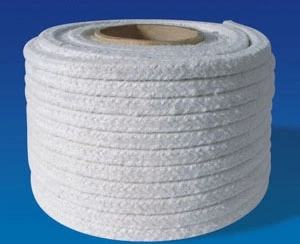
Ceramic fiber rope is a type of high-temperature insulation material made from ceramic fibers. These fibers are typically composed of high-temperature-resistant alumina and silica. The rope is manufactured by spinning or braiding the ceramic fibers into a flexible and durable form.
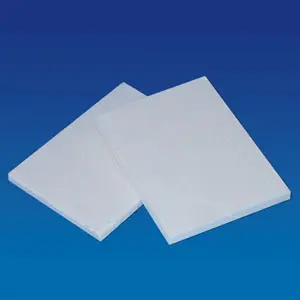
Ceramic fiber paper and ceramic fiber cloth, as two of the important ceramic fiber products, share a set of key characteristics making them highly sought-after for industrial applications. Known for their exceptional resistance to high temperatures, low thermal conductivity, lightweight nature, and flexibility, these products offer efficient thermal insulation and find application in furnaces, kilns, and other high-temperature processes.
Ceramic fiber rope has reliable performance in high-temperature environments and is suitable for applications such as industrial furnaces, kilns, and high-temperature equipment. The material's stability ensures long-term use and minimizes the risk of degradation.
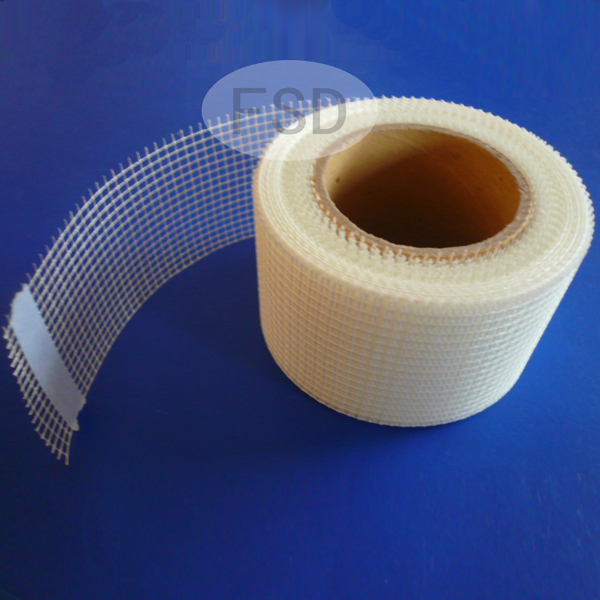
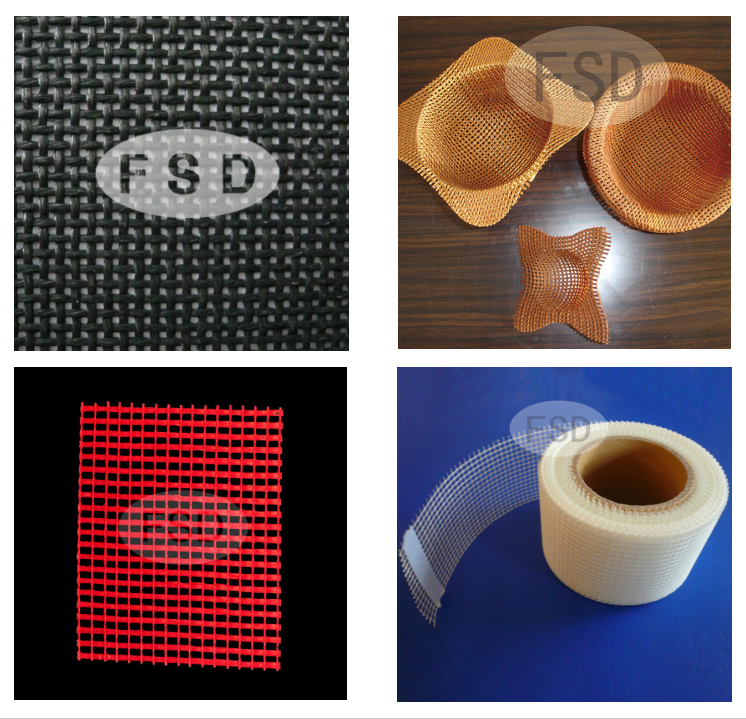
The purpose of adding fiberglass cloth or fiberglass mesh is to strengthen the structural belt of the waterproof coating and enhance its tensile strength and water resistance. Because glass fiber has the characteristics of high strength, high modulus, high temperature resistance, and not easy to age, it is used in the field of waterproofing.
In the realm of industrial construction, fiberglass mesh emerges as a key component in reinforcing concrete structures such as bridges, buildings, and dams. By distributing the weight of these structures evenly, the mesh mitigates stress, thereby fortifying the concrete against cracks and structural failures. This reinforcement ensures that these critical infrastructures stand resilient over time, maintaining their structural integrity in the face of various external pressures.
Regular cleaning and maintenance are essential for preserving the integrity and performance of fiberglass fabric in various applications, such as boat hulls, automotive components, and construction materials.The removal of corrosive substances, prevention of mold and mildew growth, and elimination of accumulated dirt not only enhance the fabric's aesthetic appeal but also contribute to its longevity. For instance, in the marine industry, neglecting the cleaning of fiberglass boat hulls can lead to accelerated corrosion from saltwater exposure.
High silica fiber is an advanced material characterized by its exceptional purity, with a composition containing more than 95% silicon dioxide (SiO2). It is known for its high thermal stability, low thermal expansion, and excellent resistance to harsh environmental conditions.
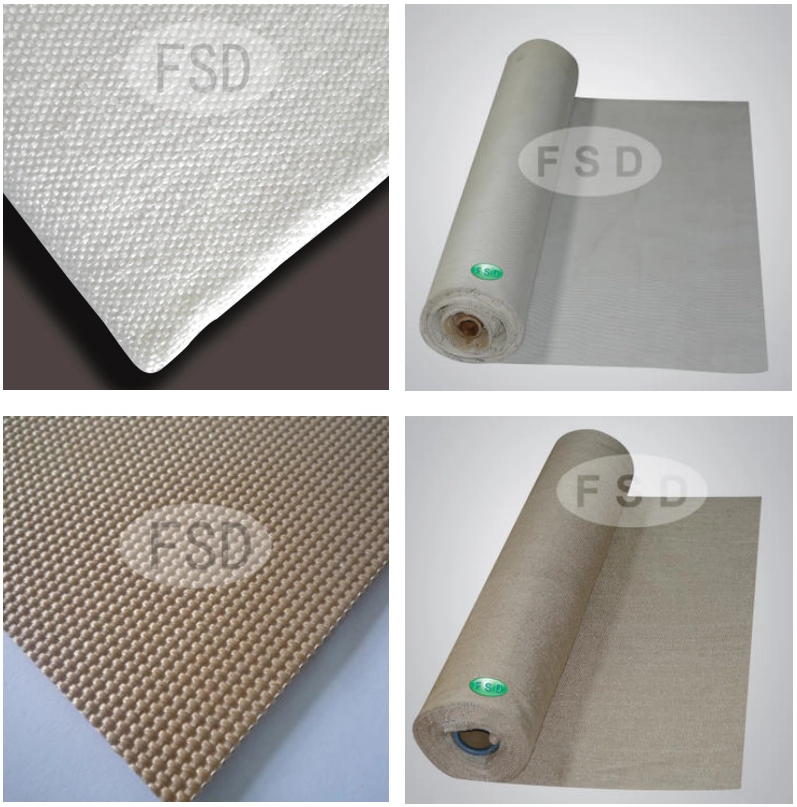
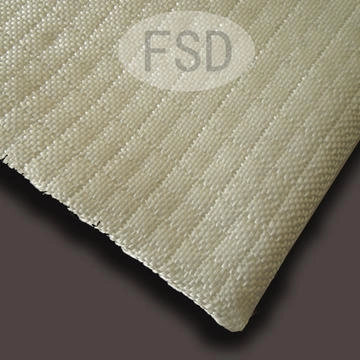
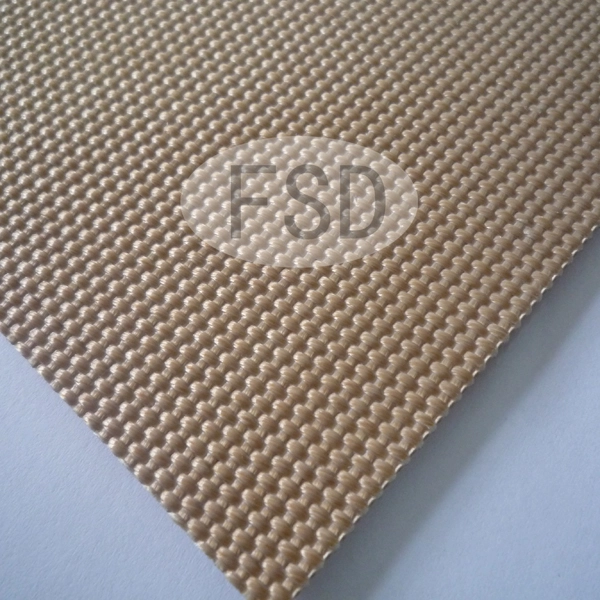
Fiberglass cloth is also called glass fiber fabric. At its core, fiberglass cloth is crafted from thin strands of glass fibers. These fibers are woven together in a tight pattern, creating a resilient and cohesive fabric. The weaving process plays a crucial role in determining the cloth's overall strength and durability, allowing it to withstand different forms of stress and pressure.
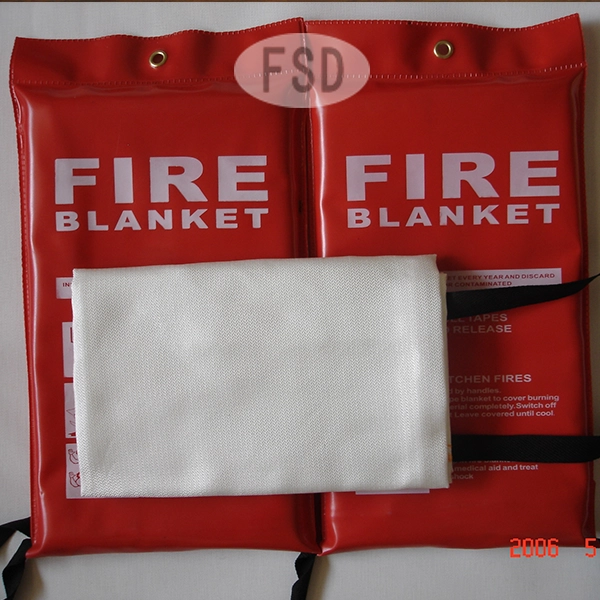
A fire retardant blanket is a specialized safety tool designed to inhibit the spread of flames and provide protection against heat and fire. Typically made from fire-resistant materials such as fiberglass or treated fabrics, these blankets are intended to smother and extinguish small fires by cutting off the oxygen supply.
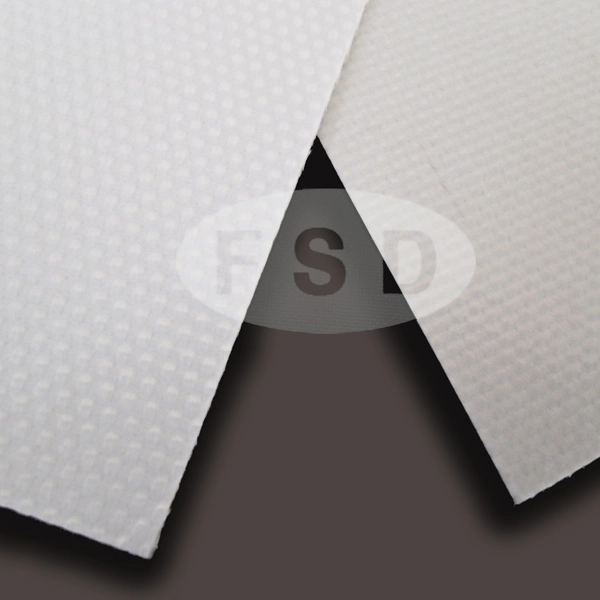
PTFE coated fiberglass fabric is a remarkable material with a multitude of applications and unique characteristics. In this article, we will learn more about PTFE coated fiberglass fabric, exploring its advantages, properties, applications, types, and even comparing it to its close relative, glass fiber fabric.
English
ไทย
한국어
日本語
svenska